

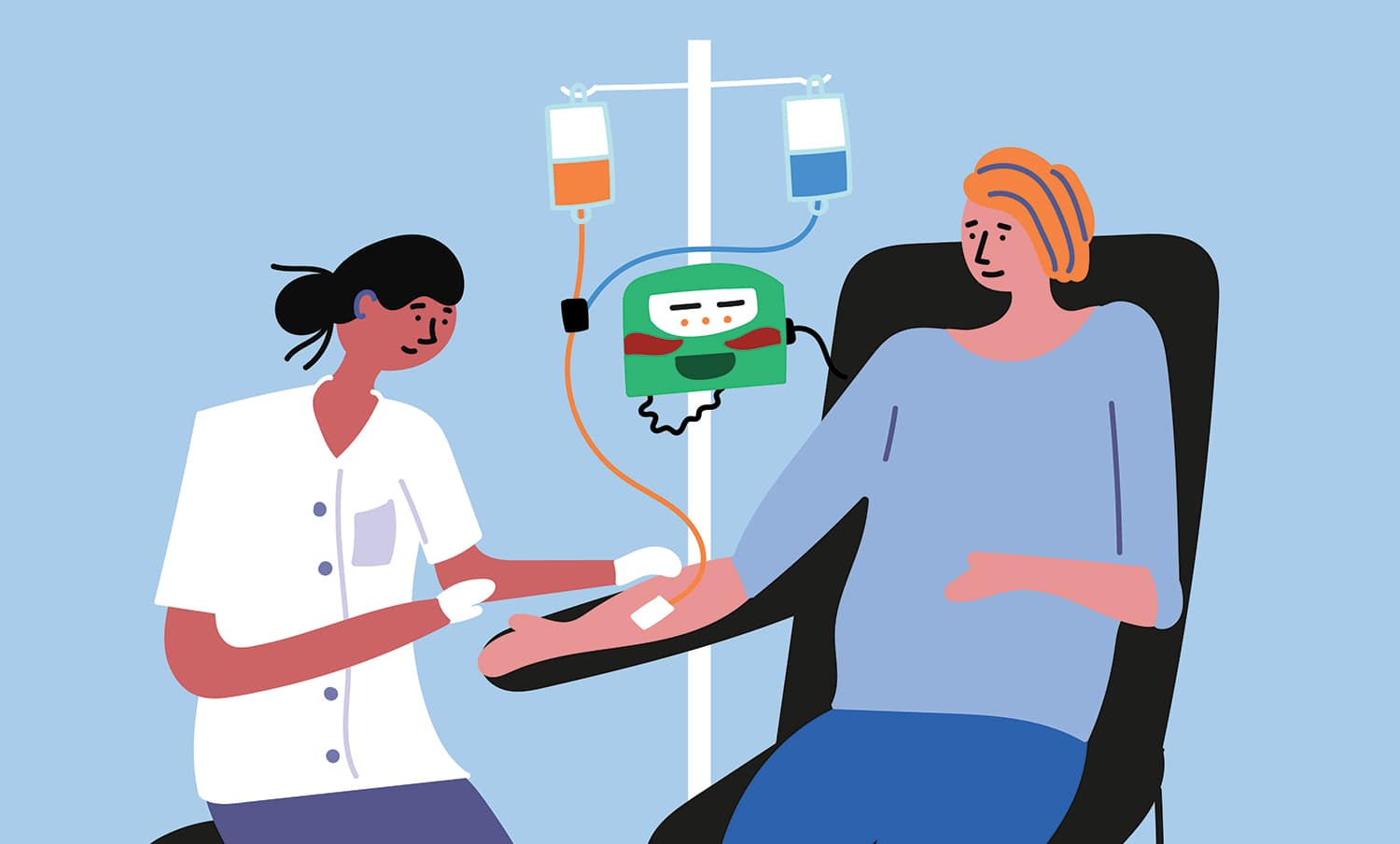
Chemotherapy is one of the most widely relied upon breast cancer treatments. Chemotherapy for breast cancer works by killing the cancerous cells in your breast or that have spread from your breast. In most instances, oncologists use chemotherapy before and/or after breast cancer surgery.
Your oncologist may use one kind of chemotherapy drug, combine drugs or use chemotherapy with other treatments. It is worth mentioning that this type of treatment leads to side effects, some of which may not develop way long after you’ve finished treatment.
The good news is that your oncologist will have treatments and recommendations to help ensure you effectively manage immediate and short-term side effects. Not to mention, they’ll share information pertaining possible long-term side effects.
It is easy to wonder about the ideal time to leverage chemotherapy for breast cancer. Well, you may receive chemotherapy before surgery. The essence of doing this is to shrink breast cancers tumors so your surgeon can remove the tumor without removing healthy breast tissue. It also gives oncologists early feedback on whether specific chemo drugs are effective.
Chemotherapy for breast cancer can also be done after surgery. It is worth mentioning that breast cancer surgery may not remove all cancerous cells because some cells may be microscopic and too small for tests to detect. Post-surgery chemo is designed to kill any remaining cancerous cells and also reducing the risk of breast cancer coming back.
Before we conclude, it is essential to have a clear insight into the common types of chemotherapy for breast cancer. Your oncologist may use one or more medications, depending on your situation.
For instance, if you have adjuvant and neoadjuvant breast cancer chemotherapy, your provider may use one or more of the following types of chemotherapy; anthracyclines, taxanes, carboplatin, or cyclophosphamide. If you have metastatic breast cancer, your provider may use one or more of the following drugs; taxanes, Eribulin, lxabepilone, Vinorelbine, or Capecitabine.
Remember, side effects vary based on the kind of drugs you take and how long you need to take them. Most go away once you finish treatment, but some persist weeks or months after treatment. The most common side effects are chemotherapy brain fog, fatigue, nausea and vomiting. Other side effects may include hair changes, loss of appetite, gastrointestinal issues, peripheral neuropathy, nail and skin changes. Luckily enough, oncologists and pharmacists tailor chemotherapy to your situation.