

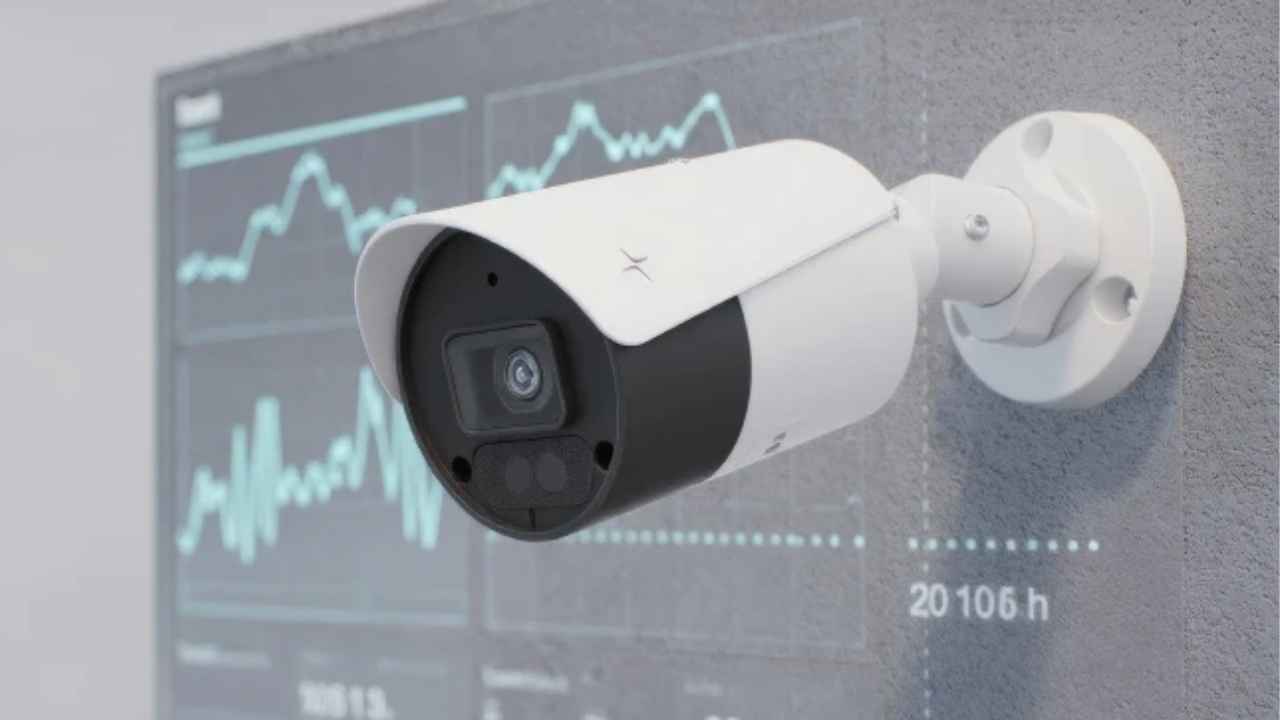
Video analytics, popularly known as video content analysis or intelligent video analytics, has attracted immense interest from both industry and the academic world. With the wide popularization of deep learning, Video content analytics has led to the automation of tasks that were initially exclusive purview of humans.
Recent transformations in video content analytics have been a game-changer, ranging from applications that monitor traffic jams and alert in real-time, to those that analyze customers’ flow in retail to maximize sales, together with other more well-known scenarios such as smart parking or facial recognition.
But how much do you know about video content analytics? Well, it is important to note that the key behind video analytics is to automatically detect temporal and spatial events in videos. A person who moves around suspiciously, traffic signs that are not obeyed, the sudden appearance of flames and smoke, are merely but some of the few examples of what a video analytics solution can do.
In most cases, these systems handle real-time monitoring in which objects, object attributes, movement patterns, or even behavior related to the monitored environment are detected. Despite all that, video content analytics can also be relied upon in analyzing historical data to mine insights. This has the potential to detect trends and patterns that answer business questions.
Machine learning (ML), and to be precise, the spectacular development of deep learning objective, has immensely transformed video analytics. The use of Deep Natural Networks (DNNSs), has made it possible to train video analysis systems that mimic human behavior, leading to a paradigm shift.
In the new paradigm, models based on deep learning can identify the exact area of an image in which license plates appear. With this information, OCR is applied only to the exact region in question, leading to reliable results.
In conclusion, video content analytics is now applicable in a wide array of industries. Among the most popular ones include healthcare, transportation, retail, sports, and security, to name a few. Understanding the different industry applications of video analytics goes a long way in helping you put it into the best of use cases.
It is essential that you factor in the pros and cons of video analytics before making the bold decision to put it into use in your business or organization. Equipped with this information, you can be sure it’s precisely what you need.