

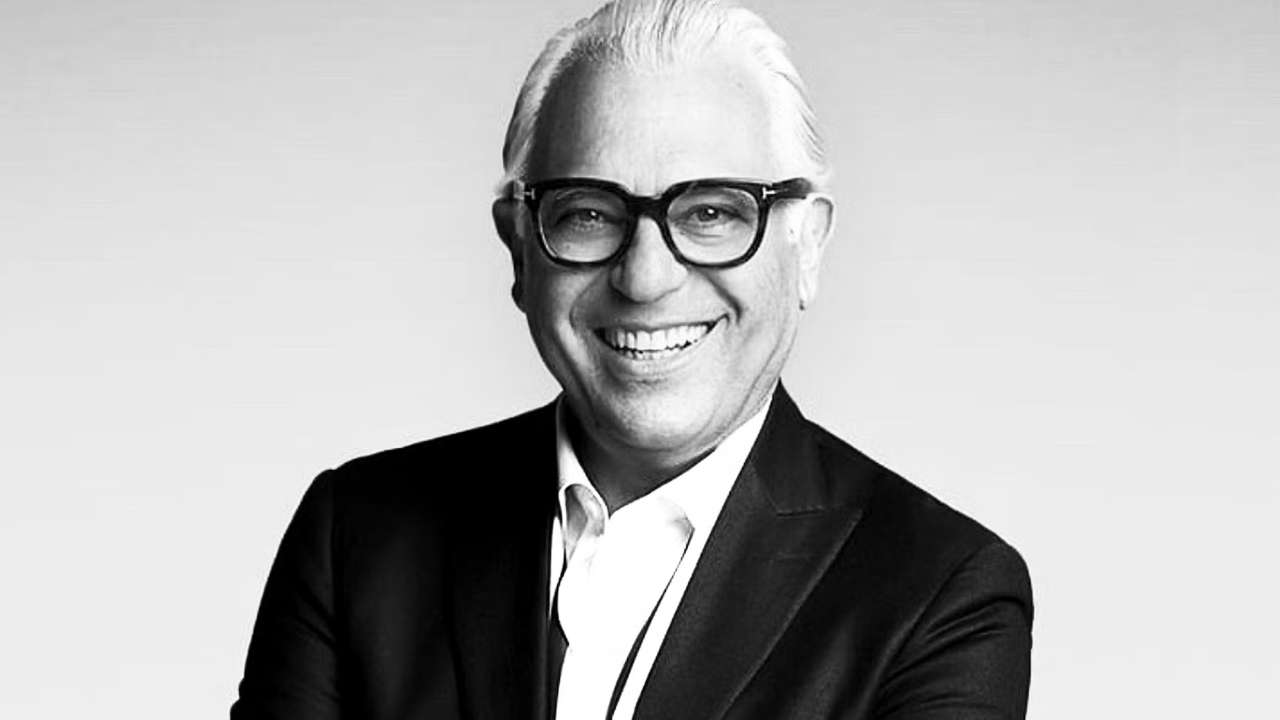
In the fast-paced world of fashion, where trends flicker like fireflies and brands rise and fall with the seasons, few figures have left as indelible a mark on Canadian style as Joe Mimran. Born in the bustling markets of Casablanca, Morocco, and raised amid the sewing machines of Toronto’s garment district, Mimran transformed a childhood fascination with fabric into a multimillion-dollar empire. As the creative force behind iconic labels like Club Monaco, Alfred Sung, and Joe Fresh, he didn’t just design clothes—he democratized style, making high-end aesthetics accessible to the everyday consumer. At 72, Mimran remains a titan of the industry, blending entrepreneurial grit with an artist’s eye, and his influence continues to shape global retail landscapes.
Early Life: From Moroccan Roots to Toronto Threads
Joseph Mimran was born on December 2, 1952, in Casablanca, to Eli and Esther Mimran, a Jewish family immersed in the vibrant textile trade. Esther, a talented couturier, was the spark that ignited her son’s passion for design. She crafted bespoke suits for Toronto’s elite socialites from a home studio, drawing inspiration from Hollywood icons. Young Joe, mesmerized by a houndstooth suit worn by Sean Connery in a James Bond film, often watched as his mother transformed scraps of fabric into wearable art. “The sound of the sewing machine was my lullaby,” Mimran once reflected in a BBC interview, crediting his mother’s influence for his innate sense of style.
In 1957, the family immigrated to Canada, settling in Toronto’s upscale Forest Hill neighborhood. Life wasn’t easy—Eli ran a modest grocery store, and Joe delivered orders on foot to make ends meet. Summers were spent toiling on farms or curating a small art gallery at age 18, honing his eye for aesthetics. Mimran pursued higher education with a practical bent: a Bachelor of Arts in sociology and fine arts from York University in 1974, followed by a Bachelor of Commerce from the University of Windsor in 1975. He even qualified as a chartered accountant, briefly working at Coopers & Lybrand. But numbers couldn’t hold him; fabric called louder.
Entering the Industry: Family Ties and Bold Bets
Mimran’s foray into fashion was familial and fortuitous. In 1976, his brother Saul acquired a small factory in Toronto’s garment district to scale their mother’s dressmaking business. Joe joined nine months later, ditching accounting to oversee operations, manufacturing, and finance. The venture, rebranded as Ms. Originals, capitalized on the 1970s women’s lib era, producing tailored suits and separates that empowered the modern working woman. Though profitable, it felt limiting—high production costs and bespoke demands stifled growth.
By 1979, the brothers sought reinvention. Spotting potential in Alfred Sung’s minimalist Moon line, they hired the 31-year-old designer to helm a new collection. Launched in 1980 under the Monaco Group banner, the Alfred Sung brand debuted in North American department stores the following year. Its clean lines and modern silhouettes struck a chord; by 1983, Maclean’s magazine crowned Sung the “King of Canadian Fashion.” The line expanded into fragrances, eyewear, jewelry, and bridal wear, licensing deals fueling rapid growth. Mimran’s role? The business brain, negotiating deals while Sung sketched visions.
Club Monaco: Minimalism Meets Mass Appeal
If Alfred Sung was Mimran’s apprenticeship in design, Club Monaco was his masterpiece. In the mid-1980s, as Monaco Group evolved, Mimran envisioned a menswear and womenswear line of “monochromatic basics”—timeless, versatile pieces in black, white, and neutrals. When major retailers like The Bay and Eaton’s rejected it, Mimran took a gamble: He opened his own flagship on Toronto’s Queen Street West in September 1985. The lineup snaked around the block on opening day.
Club Monaco went public in 1986, then private in 1989 with Dylex as a partner. Expansion was relentless—a Fifth Avenue flagship in New York in 1995, stores in Japan and South Korea by the late ’90s. The 1990s recession hit hard, with competitors like The Gap siphoning youth appeal. Sales plummeted for 24 months, testing Mimran’s resolve. His fix? A pivot to bold marketing: hiring top models, photographers, and flooding new markets. It worked. By 1999, with 125 stores worldwide, Polo Ralph Lauren acquired Club Monaco (and its lifestyle offshoot Caban) for $52.5 million plus $35 million in debt—a first for the American icon. Mimran stayed on briefly as president but soon charted his next course.
Joe Fresh and Beyond: Affordable Elegance for the Masses
Post-Club Monaco, Mimran founded Joseph Mimran & Associates in 2001, a consulting powerhouse serving giants like Holt Renfrew, Saks Fifth Avenue, and Loblaw. He co-launched Pink Tartan in 2002 with his second wife, designer Kimberley Newport-Mimran, a sophisticated sportswear line sold at upscale boutiques. Ventures like Tevrow + Chase (2006) with ex-Club Monaco alum Paul Sinclaire added flair.
But 2004 brought his boldest stroke yet. Loblaw, Canada’s grocery behemoth, tapped Mimran to create a “fast-fashion” private label for its stores—stylish, affordable clothes amid the cereal aisles, rivaling H&M and Zara. Joe Fresh launched in spring 2006 with women’s apparel in 40 locations and, by 2010, had expanded to include menswear, kids, intimates, swimwear, and beauty. Signature projects included Vancouver Olympics usher uniforms, a Barbie collab, and redesigns for Scouts Canada. Demand exploded; standalone stores followed, from Vancouver’s Granville Street flagship in 2010 to New York in 2011. By 2015, Joe Fresh was Canada’s second-largest apparel brand. Mimran retired as creative director in 2016, handing the reins to Mario Grauso.
Never one to rest, Mimran’s post-Joe Fresh era buzzed with innovation. In 2018, he unified Kroger’s private labels under Dip. 2019 saw gry mattr with Staples Canada—home and office accessories blending work-life aesthetics, from blue-light glasses to ergonomic chairs. He revitalized General Supply Goods + Co. and, in 2021, debuted Quadro Ristorante, a 33,000-square-foot Italian haven in Toronto’s Little Italy. As of 2023, Mimran co-owns Unity Brands, which acquired Vancouver’s Kit and Ace technical apparel line, signaling his pivot toward sustainable, tech-infused fashion. Recent whispers suggest involvement in revitalizing Tilley Endurables, the iconic Canadian hat brand.
Media Spotlight and Investments: The Dragon’s Den Deal-Maker
Mimran’s charisma landed him on CBC’s Dragons’ Den for its 10th season in 2015, where his gentle wisdom contrasted the show’s fire-breathers. “I’m not here to breathe fire,” he told the BBC; instead, he mentored dreamers, drawing from his own gambles. He exited after one season to focus on ventures but remains a mentor through Gibraltar & Company, a Toronto firm investing in tech-driven disruptors. As chairman of the Fashion Design Council of Canada, he elevated Toronto Fashion Week into a global powerhouse, acquired by IMG in the 2000s.
Personal Life: Family, Legacy, and Giving Back
Mimran’s personal canvas is as textured as his designs. He has three children from his first marriage to interior designer Sharon Mimran (divorced 1996) and a daughter, Jacqueline, born in 2001, with Kimberley, whom he wed in 2000. The couple’s Pink Tartan flagship in Yorkville stands as a testament to their synergy.
Philanthropy flows through his veins: A patron of the Art Gallery of Ontario, Montreal Museum of Fine Arts, and New York’s New Museum, he’s also a Luminaire for Toronto’s Luminato Festival. Mimran chaired the inaugural Canadian Arts & Fashion Awards and supports emerging talent.
Awards and Accolades: A Lifetime of Recognition
Mimran’s trophy case gleams with The Order of Ontario, the Canadian Arts & Fashion Awards’ Outstanding Achievement, Design Exchange’s Design Pioneer Award, and induction into Canada’s Marketing Legends Hall of Fame in 2015. These honors celebrate not just his brands but his ethos—fashion as art, business as benevolence.
A Lasting Legacy: Mimran’s Enduring Influence
As 2025 unfolds, Joe Mimran embodies resilience in an industry battered by fast-fashion’s ethical reckoning and e-commerce upheavals. From a Moroccan immigrant’s son to the architect of a $138-million deal, his story is one of calculated risks and unyielding vision. Brands like Joe Fresh persist in 340+ Canadian stores and U.S. outposts, while his consulting empire shapes Loblaw’s empire. Critics occasionally spotlight supply chain shadows—like the 2013 Rana Plaza tragedy tied to Joe Fresh subcontractors—but Mimran’s defenders highlight his push for affordability and innovation.
In a 2023 podcast, Mimran advised exporters: “Gamble big, but know when to pivot.” Today, as he eyes sustainable revamps like Kit and Ace, he proves the pivot is eternal. Joe Mimran isn’t just a designer; he’s Canada’s style whisperer, reminding us that true fashion stitches dreams into reality.