

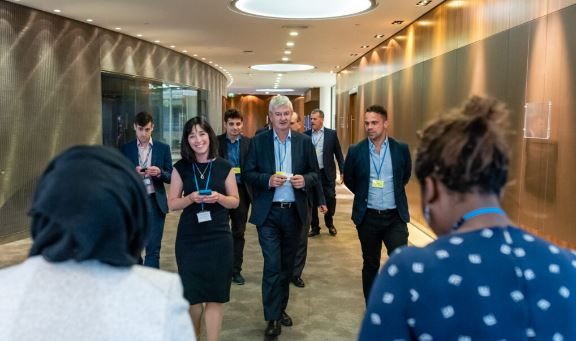
A growing number of companies worldwide are adopting a new marketing strategy — turning their own employees into “internal influencers.” This shift reflects a deeper transformation in corporate branding, as businesses realize that authentic, employee-driven content resonates more strongly with audiences than traditional advertising. The trend is reshaping how organizations approach marketing, internal culture, and digital communication in the social media age.
Unlike celebrity endorsements or paid influencer campaigns, employee advocacy programs rely on real voices from within the organization. Workers are encouraged to share company news, product updates, and workplace experiences on platforms like LinkedIn, Instagram, and TikTok. These posts create a sense of authenticity and transparency that consumers find appealing. When employees speak about their company in genuine, unscripted ways, it builds trust that no paid advertisement can replicate.
Major corporations, including Microsoft, Salesforce, and Starbucks, have pioneered structured employee influencer programs. They provide training, digital toolkits, and incentives for staff to share positive content aligned with brand values. Many companies also highlight employees’ personal achievements or community initiatives, blending professional and human storytelling. This approach not only enhances brand visibility but also boosts employee morale and retention, as workers feel like valued ambassadors rather than just workforce contributors.
The rise of internal influencers is also transforming how brands measure engagement. Instead of focusing solely on likes or shares, companies now track employee-driven impressions and interactions. Studies have shown that messages shared by employees can generate up to eight times more engagement than those from official brand accounts. This organic reach allows companies to cut marketing costs while improving credibility and reach among both consumers and job seekers.
However, the trend isn’t without challenges. Some employees worry about blurring the line between personal and professional identity online. Overly rigid social media guidelines or pressure to post can backfire, creating resentment or forced authenticity. To address this, successful programs emphasize voluntary participation and creative freedom. They encourage employees to speak in their own voices, ensuring posts feel personal rather than corporate-scripted.
Industry experts suggest that the internal influencer model is part of a broader shift toward human-centered branding. In a digital world flooded with advertisements, authenticity has become a valuable currency. Consumers increasingly trust real employees — the people who build and use the products — more than polished marketing campaigns. For organizations, empowering workers as brand advocates helps bridge the gap between corporate image and public perception.
As 2025 progresses, this trend is expected to expand across industries, from tech and retail to healthcare and finance. Smaller companies are also catching on, using employee storytelling to compete with larger brands. By merging authenticity with strategy, the concept of the “internal influencer” is redefining brand communication. It’s no longer just about what companies say — it’s about who within the company says it, and how that genuine voice shapes the connection between brands and their audiences.