

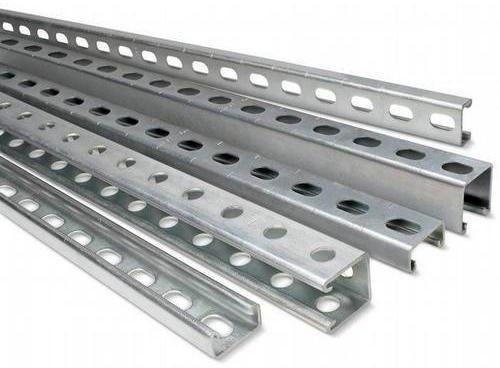
C channels, also popularly known as C purlins or C sections are structural components used in construction projects. These durable and versatile steel profiles have different applications and are often used as a support system in building or as framing members.
The primary function of a C channel is to offer structural support. By distributing the load evenly, they help to enhance the strength and stability of building. They are widely used as beams, columns, and purlins. As beams, they are an important part of the framework, supporting the weight of the structure and transferring it to the foundation.
C channels can also be relied upon as columns, playing a key role in supporting the roof of a building. Not to mention, they function as purlins, providing structural support to the roof deck and transferring the weight of the load-bearing walls.
You can find your C channel in a range of different types, each serving a specific purpose. Some of the most common types worth your attention include the standard, sloped flange, and strut C channels. Standard C channels also known as traditional C channels, have both flanged of equal length. It is widely used in construction and particularly suitable for applications where relatively light loads are expected.
The Sloped flange C channel, on the other hand, has one flange longer than the other, creating a sloping effect. This design is meant to increase the load-bearing capacity and is often used in industrial projects. This type of C channel is mainly used in electrical and mechanical installations. It has holes along the surface, allowing it to be easily mounted to walls, floors, or ceilings.
Aside from the different types available, C channels also come in different sizes and dimensions to meet specific project requirements. The size of a C channel is significantly determined by its height, width, and weight per foot. These measurements dictate the load capacity and support capacity of the C channel in question.
The good thing about a C channel is that its lightweight, making it easier to handle and install. Also, their versatility allows them to be used in various applications, from residential buildings to industrial projects. Not forgetting, C channels offer high structural strength while requiring minimal maintenance. They are also resistant to corrosion, ensuring durability and longevity. No wonder they remain to be a popular material in the construction industry.