

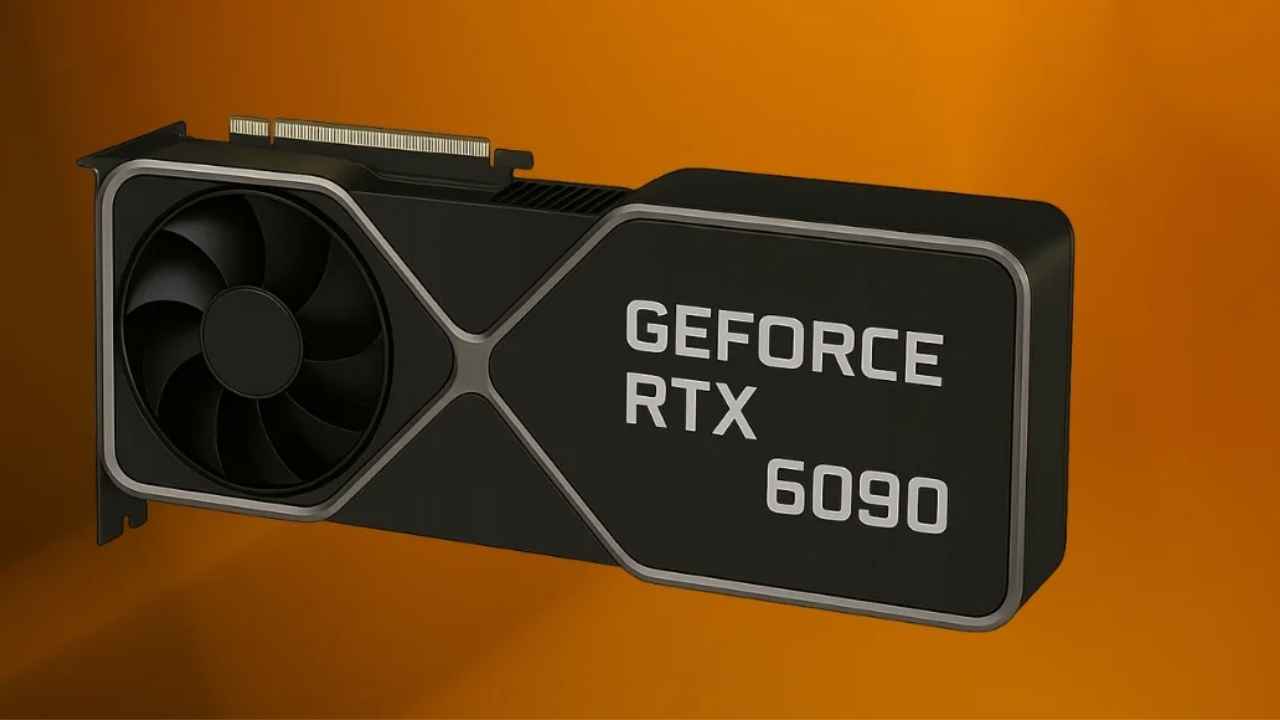
People are still amazed by the power of the RTX 5090, but the tech community is already buzzing with rumors about its replacement, the GeForce RTX 6090. According to leaked information and reports from the industry, this next-generation flagship promises to deliver performance levels never seen before, which could lead to a new era of graphics computing. NVIDIA hasn’t confirmed or announced the card yet, but there is evidence that it could be one of the most powerful consumer GPUs ever made.
When It Is Expected to Launch
Recent leaks say that NVIDIA plans to release the RTX 6090 in the first quarter of 2027, probably between January and March. But if there are delays in the RTX 50 SUPER series, this timeline could be pushed back by a few months. If NVIDIA sticks to its usual two-year GPU cycle after the RTX 5090 comes out, the release window in the first quarter of 2027 fits with what is expected in the industry. The company may officially announce the card at CES 2027, which is when they usually show off their best hardware.
Architecture and the Process of Making
The RTX 6090 is likely to be built on NVIDIA’s next-generation Rubin architecture, which is a big step up from the current Blackwell-based RTX 5090. One of the most interesting parts of this upgrade is how it will be made. NVIDIA will probably move from TSMC’s 5-nanometer process used in Blackwell to either 3-nanometer or 2-nanometer technology, which will make things run faster and use less power.
This new architecture could give you clock speeds that are about 15% faster than the RTX 5090, possibly going up to 2.77 GHz instead of the RTX 5090’s 2.47 GHz. Moving to a smaller manufacturing process will let you fit more transistors into the same die area while using less power, which is very important for high-end consumer graphics cards.
Specifications for Performance
The rumored specs for the RTX 6090 suggest that it could perform really well. Depending on how NVIDIA sets up the final design, the card should have between 192 and 256 Streaming Multiprocessors (SMs). This is a big jump from the RTX 5090’s 192 SMs, and the number of cores could be anywhere from 24,576 to 32,768 shaders.
The RTX 6090 could have about 182 teraflops of computing power, which is about 75% more than the RTX 5090’s 104 teraflops. This is the most dramatic difference in performance estimates. In real-life gaming situations, especially at 4K resolution, this could mean about 40% better performance than the last model. However, the actual gains will depend on how well the game is optimized and how complex the graphics are.
Setting up memory
The memory specs for the RTX 6090 are still one of the most talked-about parts of the card. The card should have either 32GB or 48GB of GDDR7 memory, set up on a memory bus that is 512 bits wide. Some sources say that 48GB might be standard, which would be more than the RTX 5090’s 32GB configuration.
The RTX 6090 could have memory bandwidth close to 2,304 GB/s in the best configurations, thanks to GDDR7 memory that could work at 36 Gbit/s or higher. This huge amount of bandwidth, along with a cache of up to 192MB, should be enough for high-resolution gaming and creative work. Even more cautious estimates put the practical configuration at 32GB and the memory bandwidth at about 1,408 GB/s, which is still a big step up from cards that are currently on the market.
Power Needs
One of the trade-offs with this level of performance is that it uses a lot of power. The RTX 6090 is expected to need between 550 and 600 watts of power, so it will only work with high-end systems that have strong power supplies. This power draw shows how much processing power NVIDIA is putting into the card. It will give you the extreme performance you need with the right amount of energy.
The likely 2-slot form factor will help keep things cool, but gamers and professionals will need good ventilation and high-end cooling solutions to keep temperatures at their best while they work or play.
What it will be used for
The RTX 6090 is great for a lot of demanding tasks because of how well it works. At 4K resolution, the card should be able to run next-generation games with advanced ray tracing, path tracing, and other cutting-edge rendering techniques at high frame rates. Games made with Unreal Engine 5 and other games that push current hardware to its limits will probably run much better.
The RTX 6090 will be useful for more than just gaming. It will also be useful for professional tasks that require a lot of computing power, like 3D rendering, video production, machine learning inference, scientific simulations, and more. The extra memory bandwidth and cache will speed up work in professional AI frameworks and software like OctaneRender, V-Ray, DaVinci Resolve, and more.
What to Expect in Terms of Price
The RTX 6090 is NVIDIA’s top gaming GPU, so the price is expected to start at around $3,000. However, this number could change based on the final specs, how many are made, and how the market is doing. This would be a high-end investment that costs about the same as or more than the RTX 5090, putting the card firmly in the hands of serious gamers and professionals with big budgets.
The price is high because the GPU has cutting-edge technology and NVIDIA is the best company in the world for high-end graphics processing. People who want this level of performance will have to put a lot of money into it, but the performance gains they expect may make the investment worth it for their specific needs.
Details about Rubin Architecture
The Rubin architecture is NVIDIA’s next step in the evolution of Blackwell. Recent research on NVIDIA’s publicly shown Rubin CPX (a compute-focused version) shows that it has hardware blocks for graphics, such as raster output pipelines and display outputs. These are features that wouldn’t be needed for processors that only do AI.
Some industry experts think that Rubin CPX might be the basis for the RTX 6090, with NVIDIA using partially working dies to make the consumer gaming version. This method fits with NVIDIA’s usual way of developing GPUs and could make the Rubin architecture perfect for both AI inference and gaming workloads.
The Competitive Landscape
The RTX 6090 will come out in 2027, and by then, AMD will have had time to improve its RDNA 5 architecture. But based on past trends, NVIDIA is likely to stay at the top of the high-end consumer market in terms of performance. In both traditional rasterization and ray-traced gaming, the RTX 6090 is expected to be much faster than AMD’s competing products.
Important Warnings
Keep in mind that all of the RTX 6090’s specs, performance claims, and timelines are still up in the air. NVIDIA hasn’t officially said that this card exists, and leaks from the semiconductor industry are often helpful but not always correct. Changes to the rumored specifications could be big because of problems with manufacturing, the state of the market, or strategic choices. Release dates are especially likely to be pushed back. Problems with the supply chain, changes to the design, or pressure from competitors could all affect when the RTX 6090 actually gets to customers.
Final Thoughts
The NVIDIA GeForce RTX 6090 is a big step forward in the development of consumer GPUs. It promises to give gaming performance that can handle almost any game at very high settings and resolutions, with improvements in core count, memory bandwidth, clock speed, and efficiency across the board. We probably won’t know for sure until 2027 when the RTX 6090 will be available, but it looks like it will be a great upgrade for people who want the best graphics performance possible.
For now, people who want to see the latest in gaming graphics can check out the RTX 5090. They should also keep an eye on the tech world for any official news from NVIDIA about its next-generation flagship.