

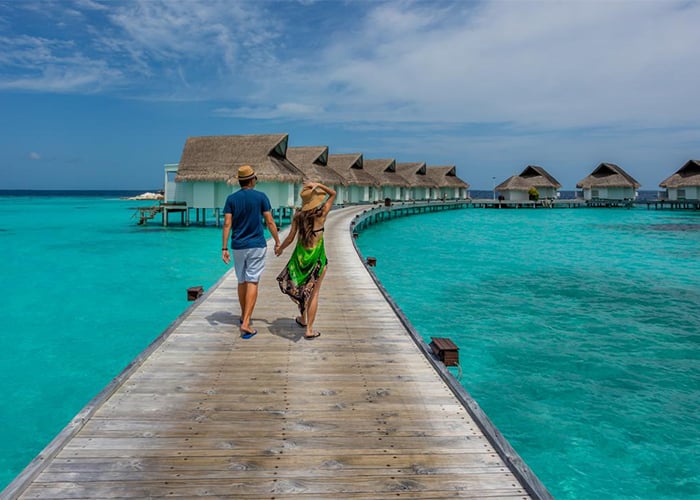
Defining Luxury Travel
Luxury travel is a term that evokes a sense of exclusivity, comfort, and unparalleled experiences. It goes beyond simply staying in high-end accommodations or visiting iconic destinations; instead, luxury travel encompasses a complete journey curated to fulfill personal desires and individual preferences. At its core, luxury travel is defined by elements that distinguish it from traditional travel experiences. These characteristics include exceptional service, unique offerings, and a focus on personalized experiences.
One of the hallmarks of luxury travel is the emphasis on high-end accommodations. This may range from exclusive boutique hotels to opulent resorts and private villas, all designed to provide a sanctuary of comfort and elegance. The attention to detail in these accommodations is paramount, as luxury travelers expect not only exquisite design but also superior amenities and services that enhance their stay. This could manifest through private pools, gourmet dining options, and dedicated concierge services that cater to every whim.
Another essential aspect of luxury travel is personalized service. A hallmark of this travel style is the ability to tailor experiences to individual preferences. From private guided tours to bespoke itineraries, luxury travelers seek out opportunities that resonate with their interests, providing them with a sense of fulfillment and exclusiveness during their journey. The unique experiences curated for luxury travelers often involve access to exclusive events, cultural immersions, and off-the-beaten-path destinations that may not be readily available to the average traveler.
Importantly, the definition of luxury travel is not uniform; it varies among travelers based on their backgrounds, expectations, and personal values. While some may prioritize fine dining and extravagant accommodations, others may value immersive cultural experiences or sustainable travel options. This diversity in preferences reflects the evolving nature of luxury travel, highlighting the importance of understanding individual desires in crafting unique travel experiences.
The Evolution of Luxury Travel
The concept of luxury travel has undergone a remarkable transformation over the centuries, evolving from the exclusive pursuits of the elite to a more democratic and diverse marketplace. Initially, luxury travel was primarily reserved for aristocrats and nobles, who could afford grand tours across Europe in the 17th and 18th centuries. These journeys were often characterized by a quest for knowledge and culture, with travelers patronizing exclusive hotels and private villas. Over time, as societal hierarchies shifted and the Industrial Revolution emerged, the advent of steamships and rail travel made it feasible for a broader segment of society to indulge in luxury journeys.
The 20th century brought about significant changes, including the establishment of luxury brands that redefined the high-end travel experience. Iconic names in hospitality and travel emerged, presenting not just services but curated experiences designed to reflect the sophistication of their clientele. The mid-20th century also saw the rise of the jet age, which made global travel more accessible and accelerated the demand for luxury experiences worldwide. This period marked an era where bespoke services, exclusive destinations, and personalized itineraries became key hallmarks of luxury travel.
In conclusion, the evolution of luxury travel reflects changing societal norms, technological advancements, and evolving consumer preferences, underscoring the dynamic nature of the travel industry as it adapts to the desires of contemporary travelers. As we continue to navigate this landscape, the definition of luxury is likely to expand, driven by innovation and the desire for meaningful connections.
Key Components of Luxury Travel Experiences
Luxury travel is characterized by distinct components that collectively elevate the travel experience. Foremost among these is exceptional service, which fundamentally transforms how travelers perceive their trips. From the moment one steps into a luxury hotel or boards a premium airline, the emphasis is on personalized attention. Staff members are often trained to anticipate the needs of guests, creating an environment where every detail is meticulously attended to, ensuring that individuals feel valued and pampered at every turn.
Another essential element of luxury travel is the allure of unique destinations. Travelers seeking luxury often desire locations that offer both exclusivity and extraordinary experiences. Whether it is a private villa in the Italian countryside, a secluded beach resort in the Caribbean, or a boutique hotel nestled in a vibrant city, the setting plays a crucial role in enriching the travel narrative. The destination becomes a canvas for unforgettable memories, as it often provides opportunities for cultural immersion, adventure, and relaxation.
Personalized itineraries further enhance the luxury travel experience by catering to individual preferences and interests. Tailoring activities to suit a traveler’s desires—be it culinary workshops, guided explorations of historical sites, or adventure sports—ensures a distinctive journey. Customized itineraries allow travelers to engage with their surroundings in a meaningful way, fostering deeper connections with the culture and people of their chosen destination.
Lastly, exclusive access to events or attractions undoubtedly marks a luxury travel experience. This could include VIP tickets to high-demand concerts, private tours of world-renowned museums, or invites to exclusive culinary events hosted by celebrity chefs. Such opportunities not only provide a unique perspective but also create lasting memories that are often not available to the general public. Case studies, such as those of travelers attending the Venice Film Festival or exclusive vineyard tours in Bordeaux, illustrate how these elements come together to craft unparalleled travel experiences, making luxury travel truly exceptional.
Future Trends in Luxury Travel
The landscape of luxury travel is evolving at an unprecedented rate, driven by changing consumer preferences and advancements in technology. As more travelers seek unique and personalized experiences, the luxury travel sector is increasingly focusing on sustainability, wellness, and immersive adventures. The modern affluent traveler is not merely interested in opulence; they are demanding experiences that resonate with their values and contribute to their well-being.
One notable trend is the emphasis on sustainability. Luxury travelers are shifting their focus toward environmentally responsible options, seeking accommodations and experiences that prioritize eco-friendliness. High-end resorts and travel brands are responding by integrating sustainable practices such as minimizing waste, sourcing local materials, and offering carbon offset programs. This sustainability trend not only enhances the travel experience but also reflects a growing awareness among travelers about their impact on the planet.
Wellness is another key component gaining traction within luxury travel. More travelers are incorporating health and wellness into their travel itineraries, choosing retreats that offer spa services, holistic therapies, and fitness programs. This focus is not just about pampering; it’s about achieving balance and rejuvenation. Destinations are adapting to this demand by offering tailored experiences that promote mental and physical well-being.
Moreover, technology is playing a pivotal role in shaping the future of luxury travel. Innovations such as virtual reality (VR) and artificial intelligence (AI) enable personalized travel planning and immersive experiences, allowing potential travelers to preview destinations and accommodations before booking. Personalized travel apps, leveraging data analytics, are helping to create customized itineraries tailored to travelers’ unique preferences, thereby enhancing the overall travel experience.
As we move forward, these trends are set to redefine luxury travel, ensuring that it remains relevant and appealing to the evolving desires of modern travelers. The integration of sustainable practices, wellness opportunities, and technology will likely create a new paradigm in luxury experiences that resonate deeply with the conscientious and discerning traveler.