

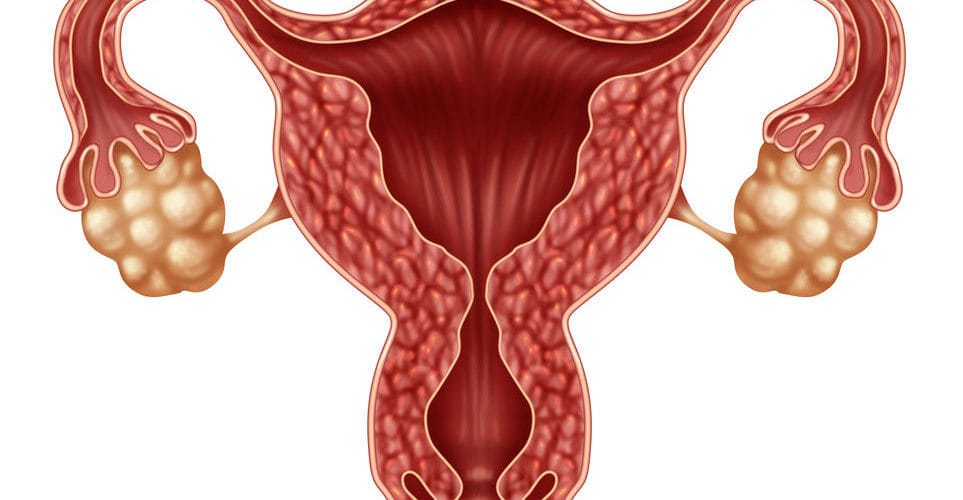
An ovarian cyst is simply a small sac filled with fluid or semisolid material that forms on or within one or both of your ovaries. Different types of ovarian cysts exists, the vast majority of which are painless and noncancerous.
It is worth mentioning that ovarian cysts don’t always cause symptoms. You likely won’t know you have one unless your medical practitioner finds one during a pelvic exam or pelvic ultrasound.
Rarely, ovarian cysts can lead to severe complications. Despite this, scheduling regular pelvic exams and speaking with your healthcare provider regarding any symptoms you may be experiencing can help troubleshoot any problems with an ovarian cyst.
You should keep in mind that most ovarian cysts are functional cysts. What this simply means is that they form in response to your body’s changes during your menstrual cycle. Less commonly, ovarian cysts form for reasons unrelated to your period.
Functional cysts are the most common type of ovarian cyst and aren’t disease-related. They come to be as a result of ovulation. These cysts can signal that your ovaries are functioning as they should. Functional cysts generally shrink over time, usually within 60 days, without treatment. Functional cysts include follicular cysts and corpus luteum cysts.
Of course, not all ovarian cysts form in response to your menstrual cycle. They aren’t always signs of disease, but your healthcare provider may prefer to monitor them to make sure that they don’t lead to complications. Other types of ovarian cysts include; cystadenomas, dermoid cysts, endometriomas, and ovarian cancer cysts.
You might wonder; are ovarian cysts serious? Well, most ovarian cysts are harmless, and they often eventually go away on their own. However, some types of ovarian cysts are more likely to become cancerous or cause complications, but this is rare.
As we conclude, it is worth mentioning that management and treatment of ovarian cyst depends on factors like your symptoms, the type of cyst, and what is causing it. Notable options could include monitoring the ovarian cyst over time, medication, or surgery to remove the cysts. Treatment can also depend on your age and if you’ve reached menopause.
If a ovarian cyst is causing symptoms and getting bigger, you may have to undergo surgery to remove it. The type of surgical procedure depends on the size of the ovarian cyst and how it appears on the ultrasound.