

If reading this, there is a good chance you’re concerned about endometriosis? Maybe you know about someone who is battling this condition and you would like to find out more about what it entails? There’s no reason to panic since we are here to help clear some of the doubts you might be having in mind.
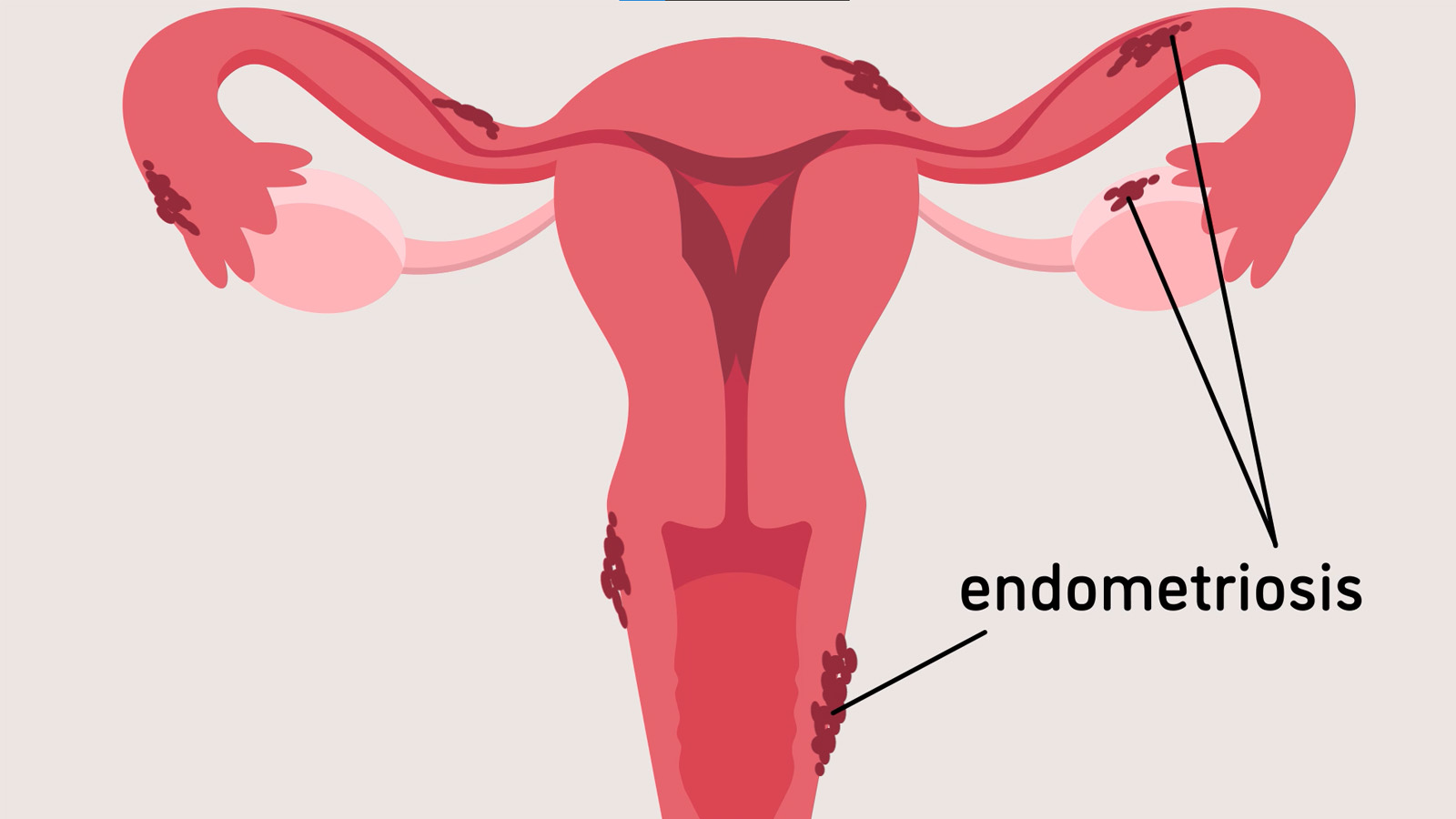
Just as a quick reminder, endometriosis is a painful disorder in which tissue similar to the tissue that normally lines the inside of your uterus. It most commonly entails your ovaries, fallopian tubes and the tissue lining your pelvis.
With endometriosis, the endometrial-like tissue acts as endometrial tissue would. By this we are merely implying to thickening, breaking down and bleeding with each menstrual cycle. But because this tissue has no way to exit your body, it becomes trapped.
When endometrios is involves the ovaries, cysts called endometriomas may form. It doesn’t end with that since surrounding tissue can become irritated, eventually developing scar tissue and adhesions. The good news is that effective treatments for Endometriosis are available.
All in all, it is in your best interest that you understand the primary symptoms of Endometriosis if you’re to keep it at bay. One notable symptom of endometriosis you should know about is pelvic pain. Even though many experience cramping during their menstrual periods, those with Endometriosis typically describe menstrual pain that’s far worse than usual.
Some of the most common signs and symptoms of Endometriosis include painful periods, pain with intercourse, pain with bowel movements or urination, excessive bleeding, and infertility. You may also experience fatigue, diarrhea, constipation, bloating or nausea, especially during menstrual periods.
It is worth mentioning that the severity of your pain may not be a reliable indicator of the extent of your condition. You could have mild endometriosis with severe pain, or your could have advanced endometriosis with little or no pain.
Some people often mistake Endometriosis for other conditions that can lead to pelvic pain, such as pelvic inflammatory disease (PID) or ovarian cysts. You may also confuse it with irritable bowel syndrome (IBS), a condition that causes bouts of diarrhea, constipation and abdominal cramping.
When is it ideal to see a doctor? Well, the ideal time to contact a medical practitioner is when you have signs and symptoms that may indicate endometriosis. An early diagnosis, a multidisciplinary medical team and an understanding of your diagnosis may result in better management of your symptoms.